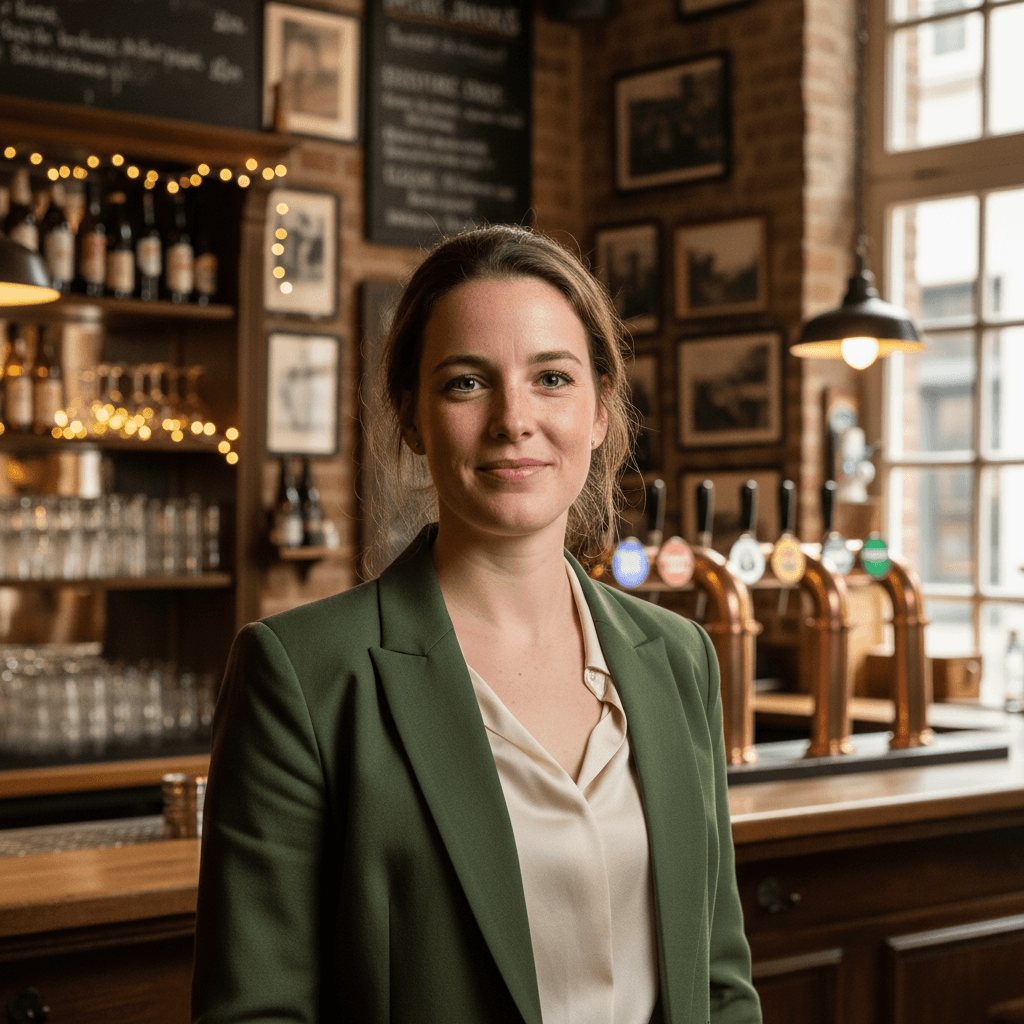
Lisa(31)
Utrecht → Brugge
In Utrecht I ran a pop-up brunch concept at festivals and markets for three years. It went well, but I wanted a permanent location. Utrecht was unaffordable — €4,000 per month for a small hospitality venue in the city center. When a friend living in Bruges pointed me to a vacant property on Sint-Amandsstraat, I went to look.
Starting a hospitality business in Belgium is fundamentally different from the Netherlands. You need a certificate of establishment through the business counter — I chose Xerius. You must demonstrate basic business management knowledge (I had my Dutch diploma recognized through NARIC Flanders) and you receive a KBO number and BTW number. The entire procedure took six weeks, with help from a Bruges accountant who guided everything.
Renting the property went through a commercial lease of nine years — standard in Belgium. Rent was €1,800 per month, a fraction of Utrecht. But renovations had to comply with Belgian FAVV standards (Federal Agency for the Safety of the Food Chain), which is stricter than the Dutch NVWA. The inspection took two visits and €800 in adjustments, but after that everything was in order.
Hiring staff in Belgium was an eye-opener. Wage costs are higher than in the Netherlands — a waiter costs you as employer almost double the net salary due to social contributions. But in return employees receive meal vouchers, a 13th month salary and more vacation days. My two employees are loyal and satisfied — the Belgian labor market operates at a different rhythm.
Bruges as a place to live is magical. Yes, it's touristy in the center, but as soon as you turn into a side street, it's a real Flemish city. I live in Sint-Michiels, a neighborhood just outside the center, and cycle to my café every day. The community is close-knit — my neighbor brings me homemade speculaas every week.
My tip for Dutch hospitality entrepreneurs: engage a Belgian accountant who knows the hospitality sector. The regulations around VAT (6% for dine-in food, 21% for takeaway drinks), RSZ contributions and FAVV are complex but manageable with the right guidance. And Bruges is ideal: eight million tourists per year, plus a loyal local clientele.
Highlights
- KBO number and BTW number via business counter (e.g. Xerius)
- FAVV inspection stricter than Dutch NVWA for hospitality venues
- Commercial lease of 9 years is standard in Belgium
- Hospitality VAT: 6% for dine-in food, 21% for takeaway drinks
Other stories
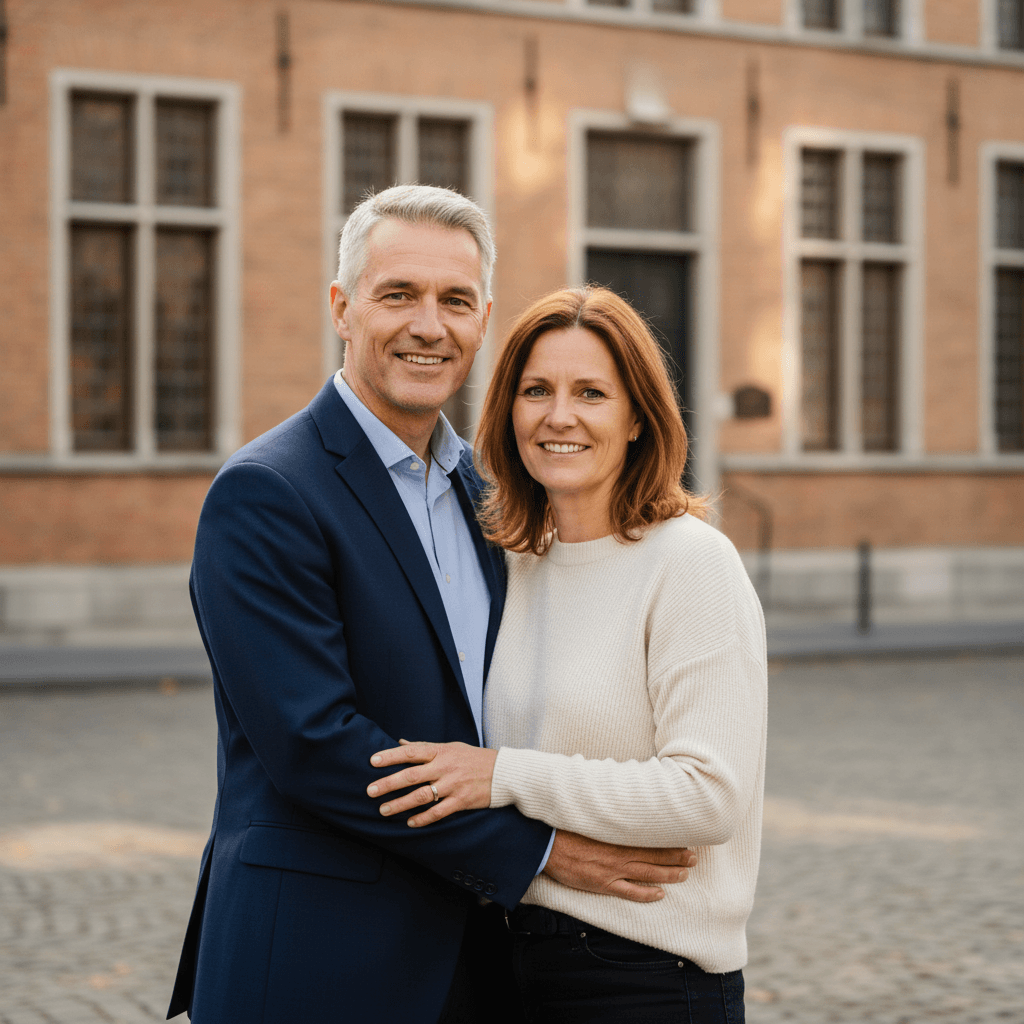
Peter & Anouk
Maastricht → Hasselt
We lived in Maastricht and already worked in Belgium. Moving to Hasselt saves us thousands per year — but the Belgian tax return is a story in itself.
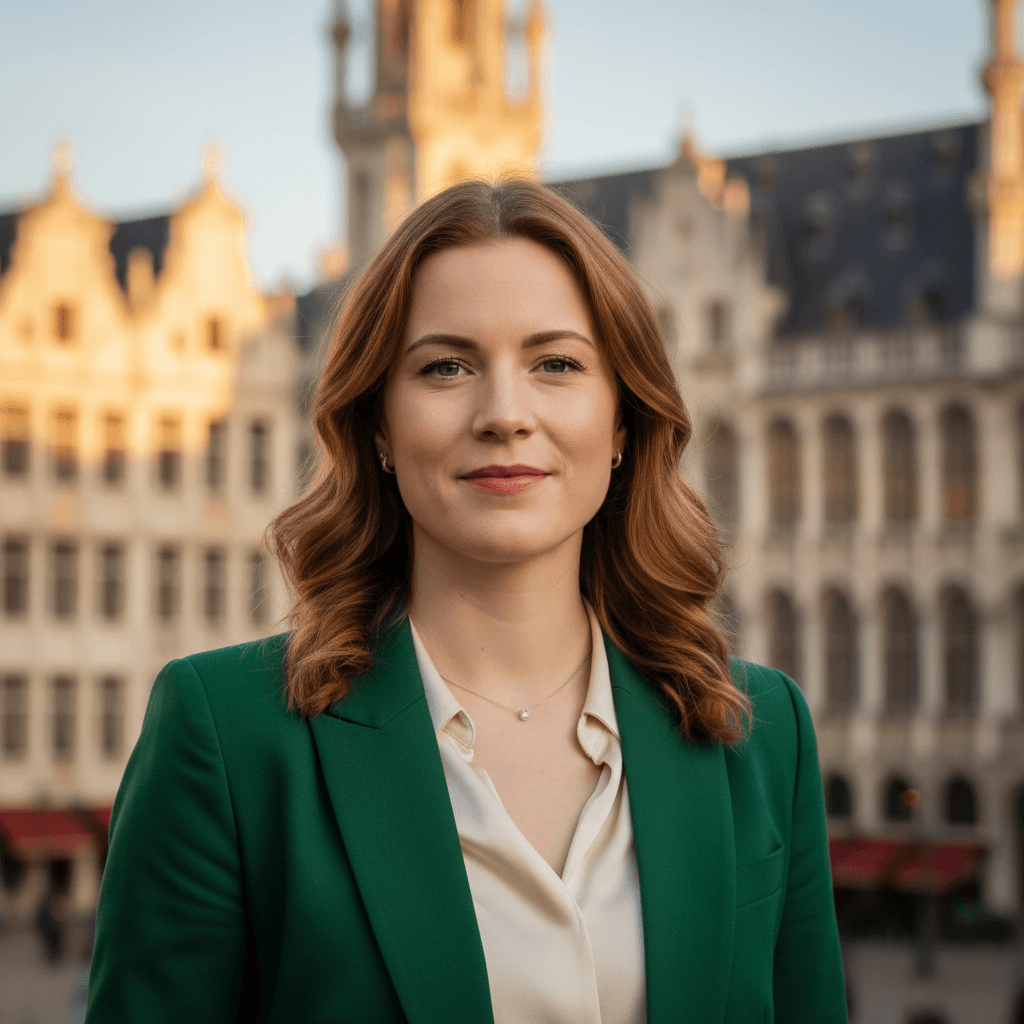
Fleur
Rotterdam → Antwerpen
As a marketer I found in Antwerp a vibrant city with lower rents and more character than Rotterdam. The Belgian bureaucracy took some getting used to.
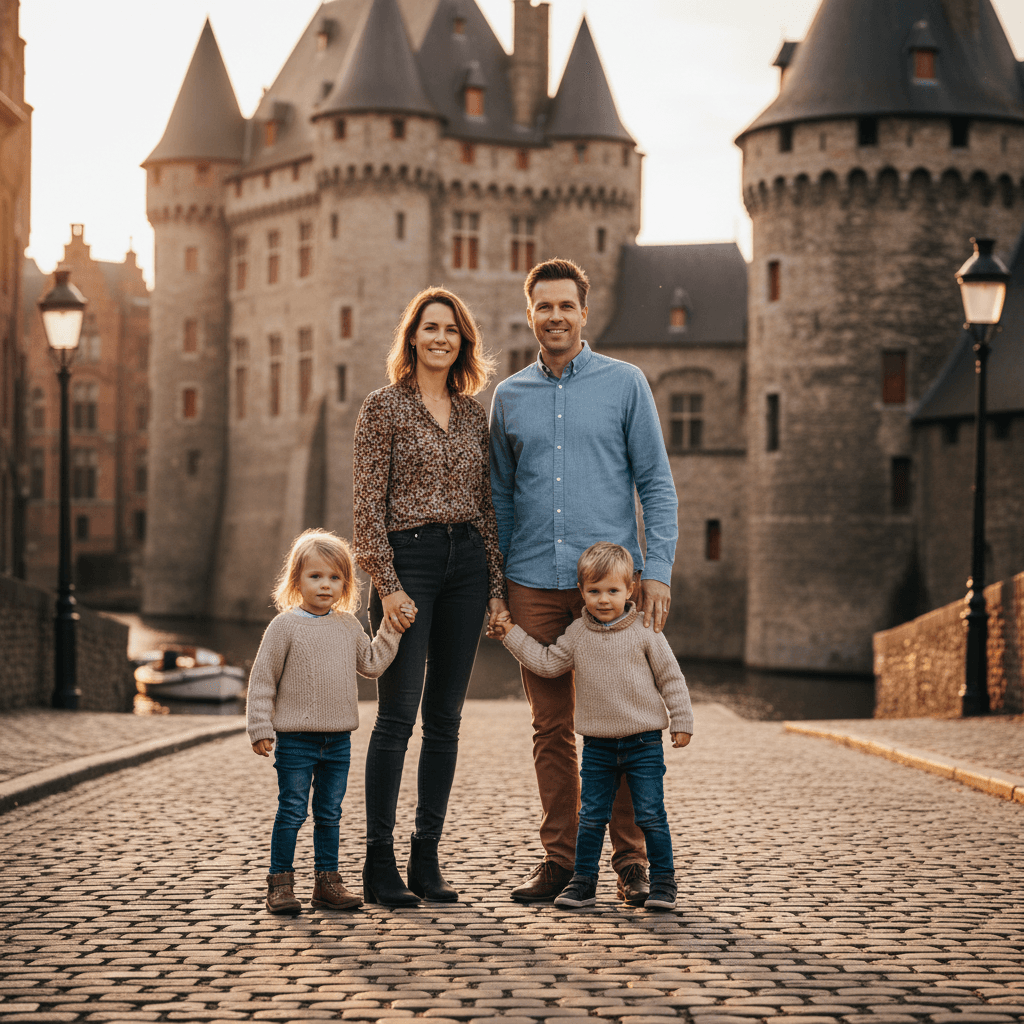
Bas & Linda
Eindhoven → Gent
With two children aged 4 and 7 we moved to Gent. Flemish education is excellent, the Groeipakket generous, and the city perfect for families.