
Bas & Fleur(31)
Den Haag → Keulen
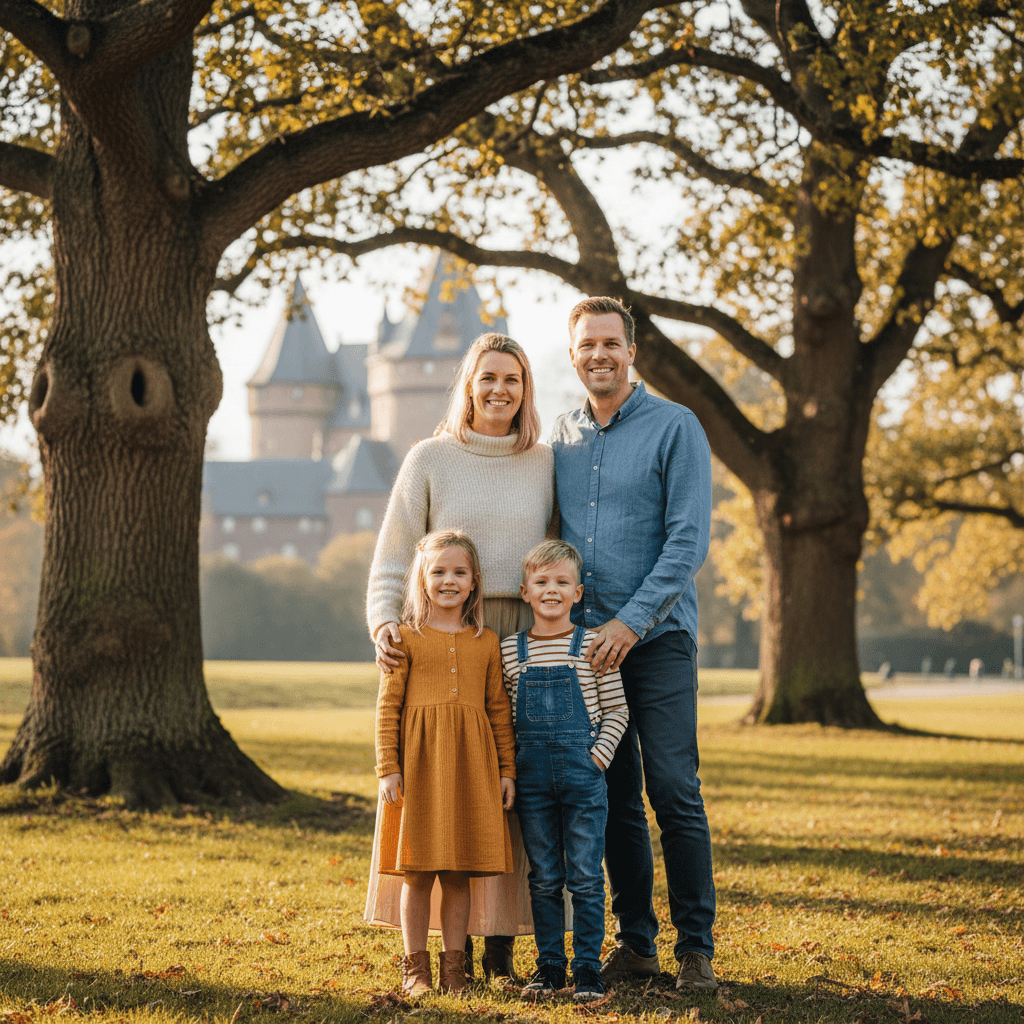
Fleur works as a graphic designer and I'm a project manager in the events industry. We lived in The Hague and paid €1,650 for a small apartment in the Archipelbuurt. When Fleur was offered a job at a large advertising agency in Cologne, it felt like a sign. We had both always wanted to live abroad, and Cologne — with its carnival, the Dom and the Rhine — captured our imagination.
The Wohnungssuche in Cologne was our first reality check. Like many German cities, the housing market is overheated. We searched via ImmoScout24 and WG-Gesucht, but at every Besichtigung there were dozens of candidates. The problem: we had no Schufa score, no German employer reference (Fleur hadn't started yet) and no Mietschuldenfreiheitsbescheinigung (proof you have no rental debt). After six weeks and thirty viewings we finally found a Zwei-Zimmer-Wohnung in Ehrenfeld for €920 Warmmiete.
The Schufa had become an obsession. Every landlord wanted to see a Schufa-Bonitätsauskunft — a kind of financial report. As a foreigner you have no German credit history, so your score is low or non-existent. Our solution: we immediately opened an account at Deutsche Bank (not N26 — traditional banks carry more weight for Schufa), took a prepaid phone contract in our name and paid every bill punctually. After four months we had a reasonable score.
The language was a bigger obstacle than expected. In The Hague we got by everywhere with English. In Cologne? Not really. The Ausländerbehörde (immigration office) only speaks German, the Bürgeramt forms are in German, and the Hausverwaltung (property manager) calls you in German. We enrolled in an intensive course at the Volkshochschule (VHS) — six weeks, three evenings per week, €180. It was the best investment. After three months we both spoke at A2 level and could at least handle daily matters.
What surprised us: Cologne is incredibly gezellig. The Kölner Mentalität is more similar to the Dutch than to the Berlin mentality. People talk to you in the pub, the neighbor brings cake when you've just moved in, and during carnival the entire city is one big party. We joined a Karnevalsverein — the ultimate way to get to know locals. Fleur's colleagues took us to Kölsch tastings in the Altstadt, and within a few months we felt at home.
Financially, the move has been a good decision. Fleur earns comparable to the Netherlands, but the rent is €700 less per month. I found a remote position with a Dutch company through LinkedIn, so I work from Cologne for a Dutch salary. But watch out for the tax implications: if you live in Germany but work for a Dutch employer, you must pay Einkommensteuer in Germany. A Steuerberater who knows the Doppelbesteuerungsabkommen (double taxation treaty) is indispensable.
Highlights
- Build Schufa through Deutsche Bank and punctual payments
- Volkshochschule (VHS) language course: 6 weeks for €180
- Wohnungssuche: prepare Mietschuldenfreiheitsbescheinigung
- Know the Doppelbesteuerungsabkommen if working remotely for NL
Other stories

Marco
Venlo → Düsseldorf
As a nurse I had been commuting across the border for years. When I decided to actually move to Düsseldorf, the real paperwork began.

Niels
Amsterdam → Berlijn
Amsterdam rent prices drove me away. Berlin offered a startup job, an affordable apartment and a vibrant nightlife.
Dennis & Laura
Arnhem → Kleve
With three children we moved from Arnhem to Kleve. A bigger house, Kindergeld and a Grundschule around the corner — but the German school system took some getting used to.