
Carmen(42)
Utrecht → New York City, New York
As an associate professor of economics at Utrecht University, I was approached by Columbia University for an associate professor position. The academic network in the US is unparalleled -- Columbia, Harvard, MIT, Stanford are not just names, they're ecosystems of talent and funding. My H-1B visa was cap-exempt: universities and non-profit research institutions are exempt from the annual H-1B limit and lottery. That meant direct approval without uncertainty.
New York City is overwhelming, even after ten visits. The university offers faculty housing in Morningside Heights, but even subsidized rent is $3,200 for a two-bedroom apartment. The alternative rental market in Manhattan is absurd: $4,500+ for comparable spaces. I chose faculty housing and accept the limited space. My office on Morningside Campus compensates -- the view over Harlem and the Hudson is breathtaking.
The American academic system differs fundamentally from the Dutch one. In the Netherlands I had a permanent contract. Here I have a tenure-track position with a six-year "clock." In that time I must publish in top journals, secure external grants and deliver excellent teaching. The evaluation is rigorous: a tenure committee reviews your complete portfolio. If you don't pass, you're out. That pressure is constant and intense -- but it also forces excellence.
What shocked me most is the student debt crisis. My students pay $60,000-$80,000 per year in tuition. Many graduate with $200,000+ in student debt. In the Netherlands I paid €2,000 per year in tuition. The pressure that debt places on young academics is morally reprehensible and economically counterproductive. As an economist I analyze the system professionally; as a person I find it heartbreaking.
The tax situation as an H-1B worker at a university is complex but more favorable than in the private sector. Columbia offers a 403(b) retirement plan (similar to the 401(k) but for non-profits) with 10% employer contribution -- regardless of my own contribution. Health insurance through the university is relatively affordable: $220/month for a PPO plan. New York State tax (up to 10.9%) plus New York City tax (3.876%) on top of federal tax makes NYC the most expensive tax location in the US.
After four years I survived my tenure evaluation and was appointed tenured associate professor. The relief is enormous -- it feels like finally passing an exam after six years. My green card application is in process through the EB-1B category for outstanding researchers. With my publication list and two NSF grants, chances are good. My advice to Dutch academics: the US offers the best research facilities in the world and the cap-exempt H-1B makes the visa process relatively straightforward. But prepare for tenure pressure, NYC costs and the shock of the student debt system.
Highlights
- H-1B cap-exempt: universities exempt from lottery and quota
- Tenure-track: 6 years to prove yourself, no permanent contract until then
- NYC tax: federal + state (10.9%) + city (3.876%) = heaviest in the US
- 403(b) with 10% employer contribution -- regardless of own contribution
Other stories

Wouter
Amsterdam → San Francisco, Californie
Through an H-1B visa I landed at a tech giant in San Francisco. The salary is high, but the bureaucracy and healthcare costs are a world apart.

Martijn
Rotterdam → New York City, New York
As finance director I was transferred to headquarters in Manhattan. The L-1 visa was fast, but FATCA and double taxation made things financially complex.
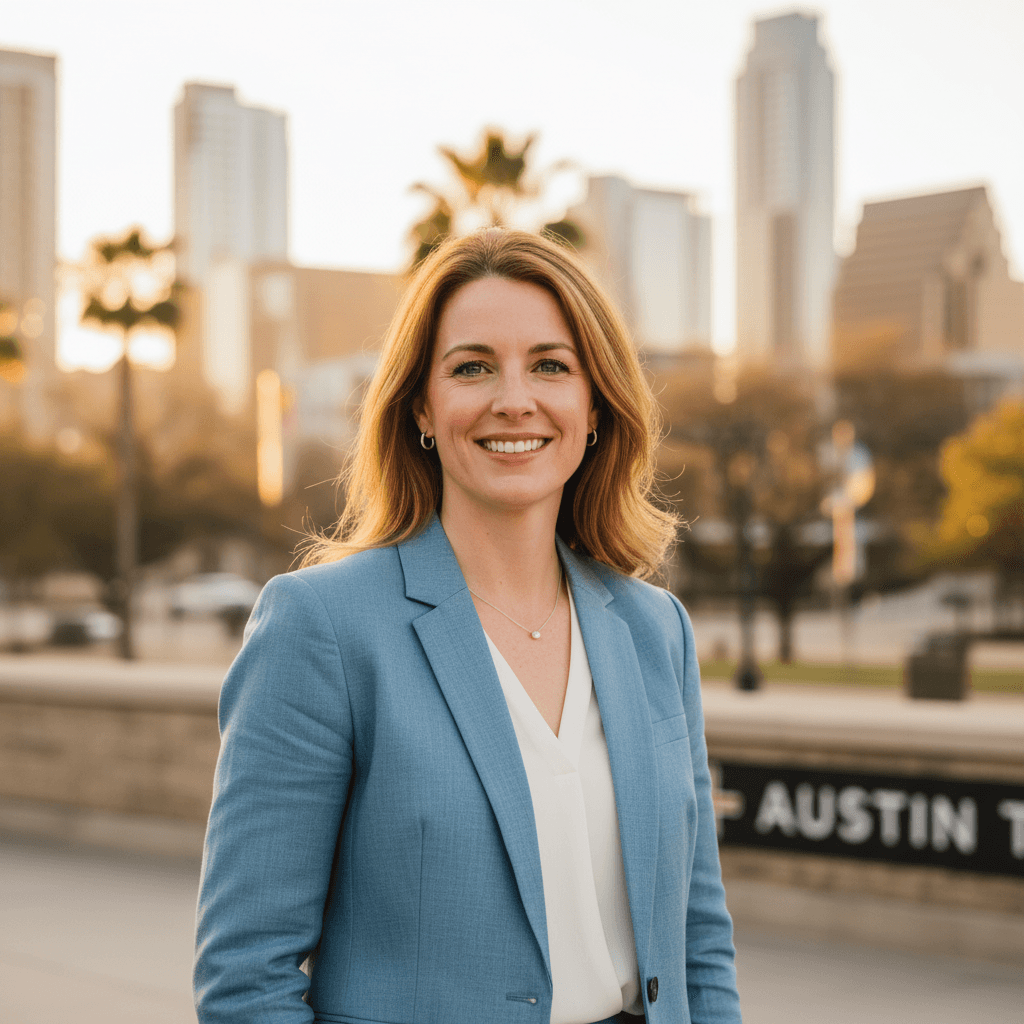
Femke
Utrecht → Austin, Texas
With an E-2 investor visa I started a sustainable fashion brand in Austin. Texas has no income tax, but American business culture required adjustment.