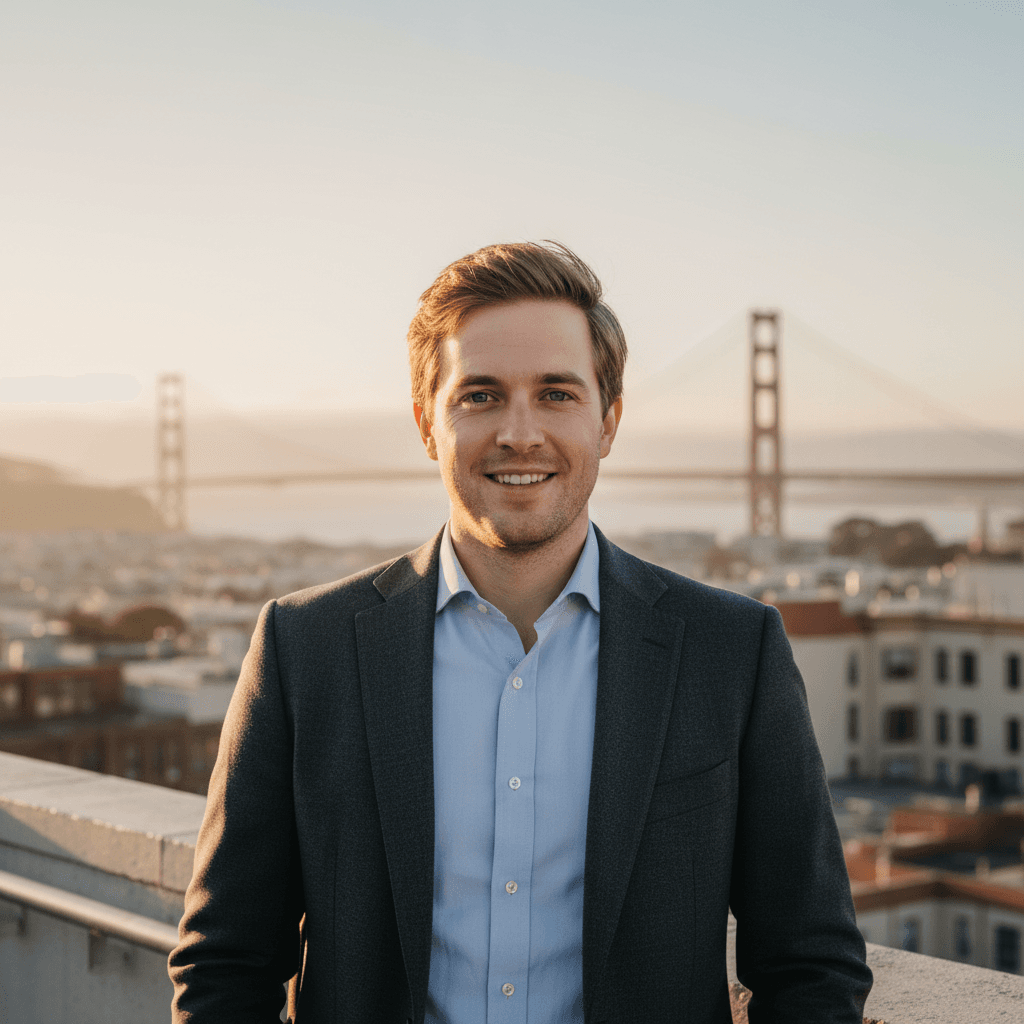
Wouter(32)
Amsterdam → San Francisco, Californie
After six years as a backend developer at a scale-up in Amsterdam, I was approached by a recruiter from Silicon Valley. The offer was impressive: three times my Dutch salary, stock options and a relocation package. But the path to get there was anything but simple. The H-1B visa is allocated through a lottery and I was lucky that my employer selected me in the first round. The legal fees of over $7,000 were covered by the company.
The first weeks in San Francisco were overwhelming. Applying for your Social Security Number (SSN) sounds simple, but without an SSN you can't get a credit card, rent an apartment or barely get a phone plan. I lived in an Airbnb for two weeks while waiting for my SSN card. My I-94 form had to be verified online upon arrival to prove I had legally entered the country. Tip: download your I-94 immediately at CBP.gov.
Healthcare was the biggest culture shock. My employer offers a PPO plan for which I pay $280 per month -- and that's relatively cheap. A visit to the doctor costs $30 copay, but an ER visit can cost thousands of dollars even with insurance. I've learned to always ask whether a treatment is "in-network," otherwise costs double. The Dutch system with a fixed deductible of \u20ac385 seems like a dream in hindsight.
Financially, America is a different story. My 401(k) retirement plan is fantastic: my employer matches 50% of my contribution up to 6% of my salary. But tax filing is complex. As a Dutch person in the US, you need to think about the 30% ruling you're leaving behind, the tax treaty between the Netherlands and the US, and the fact that as a green card holder you become liable for worldwide taxation. I have an expat tax advisor who knows both the IRS and the Dutch tax authority.
The work rhythm in the US is intense. Vacation days are typically 15 per year (versus the 25-30 I had in the Netherlands). Colleagues rarely take more than a week off at a time. The "hustle" culture is real -- but so are the opportunities. I've learned more in two years than in six years in Amsterdam. The projects are bigger, the ambitions higher and the impact global.
After two years I'm considering applying for a green card through the EB-2 category, which my employer supports. The process takes at least two years and costs thousands of dollars in legal fees. But it grants permanent residency and freedom to change employers. My advice to Dutch developers: America is not for everyone. The bureaucracy is enormous, healthcare costs are staggering and the social safety net is minimal. But if you're ambitious and willing to pay the price, the opportunities are unmatched.
Highlights
- H-1B visa through lottery -- employer covered $7,000+ legal fees
- Health insurance $280/month with copays and in-network requirements
- 401(k) with 50% employer match up to 6% of salary
- Green card via EB-2 takes 2+ years but grants permanent freedom
Other stories

Martijn
Rotterdam → New York City, New York
As finance director I was transferred to headquarters in Manhattan. The L-1 visa was fast, but FATCA and double taxation made things financially complex.
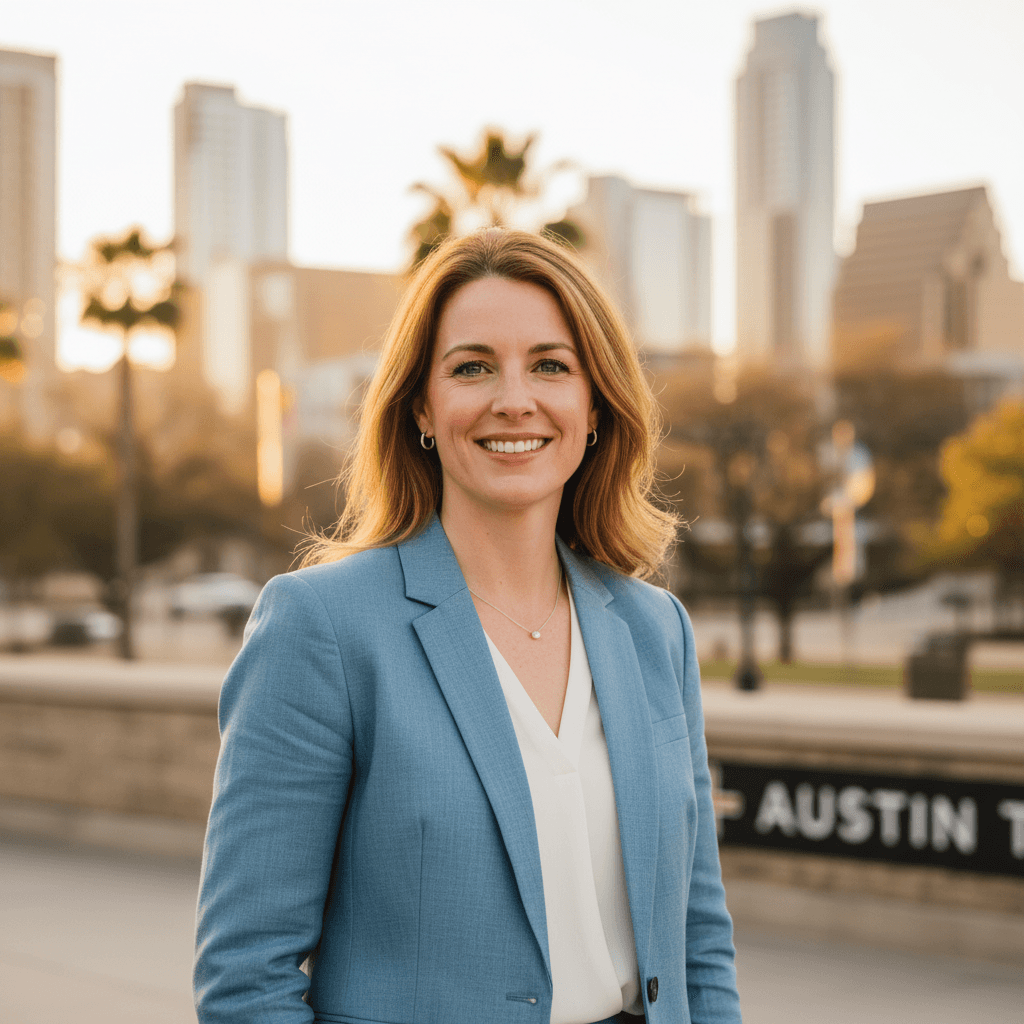
Femke
Utrecht → Austin, Texas
With an E-2 investor visa I started a sustainable fashion brand in Austin. Texas has no income tax, but American business culture required adjustment.
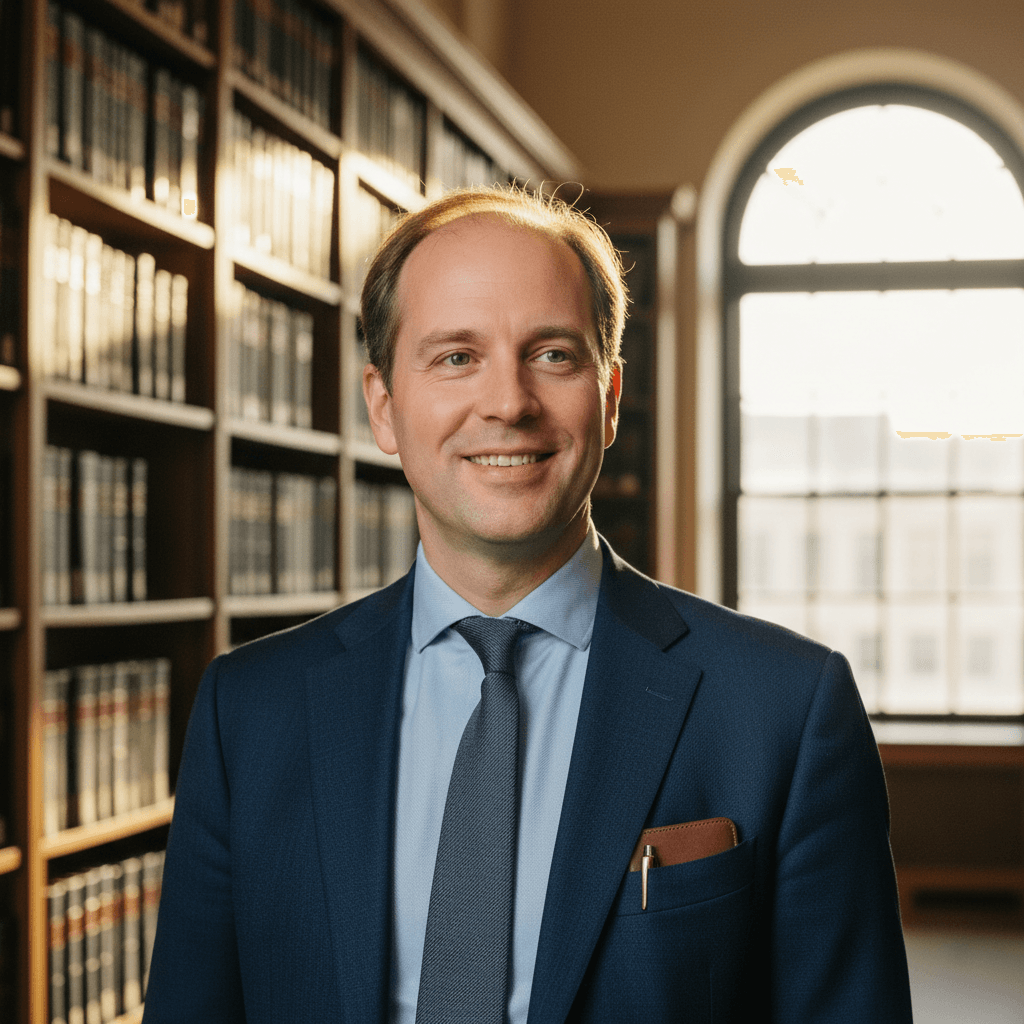
Bas
Leiden → Boston, Massachusetts
From Leiden University to MIT -- the J-1 visa was just the beginning. The road to tenure and a green card is a marathon, not a sprint.