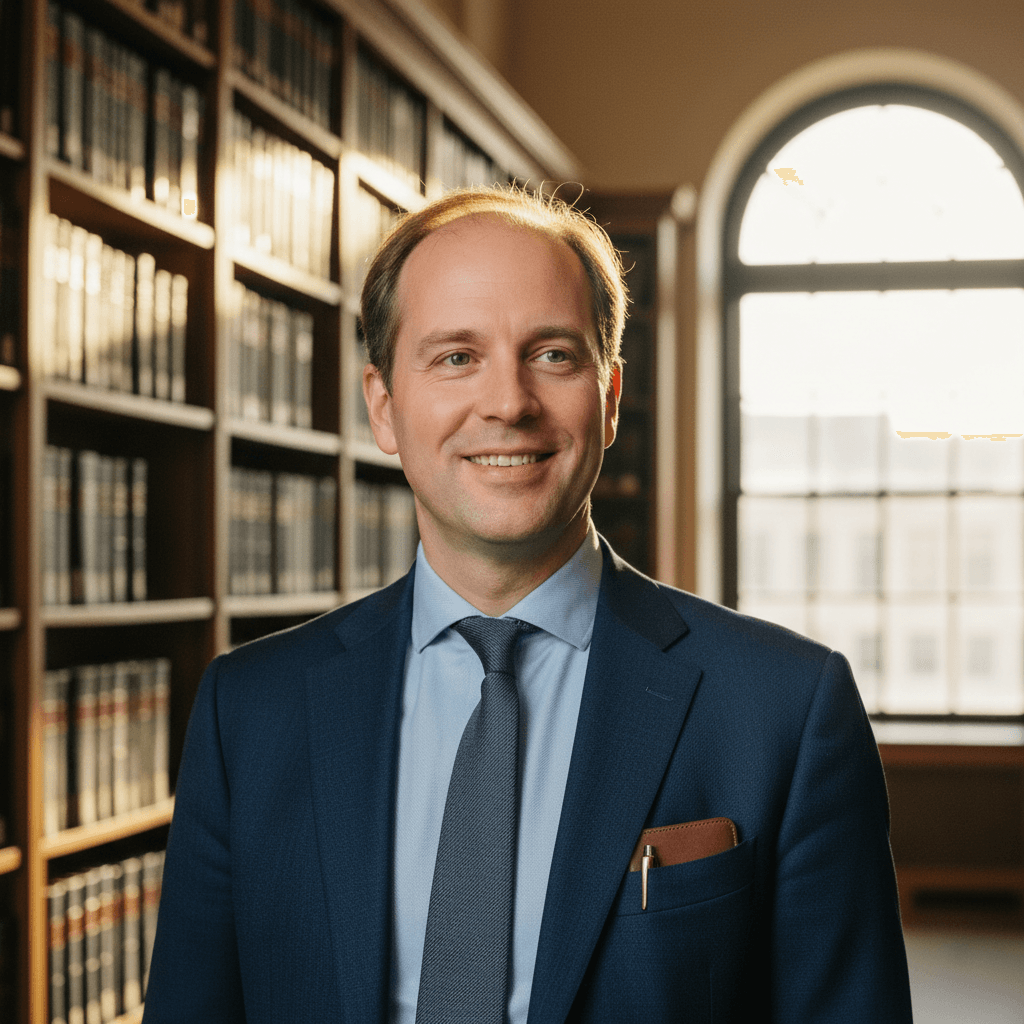
Bas(38)
Leiden → Boston, Massachusetts
As a molecular biologist at Leiden University, I always dreamed of the American academic world. When MIT offered me a postdoc position, I didn't hesitate for a second. My first visa was a J-1 Exchange Visitor visa, specifically for research and teaching positions. The university arranged the DS-2019 form and the application at the embassy in Amsterdam went smoothly. Within three weeks I had my visa.
The J-1 visa has an important drawback: the two-year home residency requirement. This means that after it expires you must live in your home country for two years before you can apply for another American visa -- unless you get a waiver. My university helped me obtain a "no objection" waiver through the Dutch consulate. This was crucial for my next step: transitioning from J-1 to H-1B after my postdoc, when I was offered a position as assistant professor.
Academic life in Boston is intense but stimulating. Research budgets are many times larger than in the Netherlands -- my lab has more funding than an entire faculty in Leiden. But the pressure is also higher. "Publish or perish" is literally true here. My tenure-track position gives me six years to prove I have enough publications, grants and impact. In the Netherlands I had a permanent contract after four years; here nothing is certain until you have tenure.
The cost of living in Boston is staggering. My rent for a two-bedroom apartment in Cambridge is $3,100 per month. The university offers health insurance, but it still costs me $350 per month for an individual plan. A routine dental checkup cost $180 after insurance. I miss the Dutch system where everything falls under the basic insurance. Here you need a separate policy for each medical component: medical, dental, vision.
Social life as an academic in the US is different from the Netherlands. The university is your life -- colleagues are your social circle. That's nice but also limiting. I deliberately sought communities outside the university: a rowing club on the Charles River, a book group and a Dutch drinks club in Boston. That balance is essential to avoid burning out. What I appreciate is the diversity -- my lab team comes from seven different countries.
After four years in the US I've started the green card process through the EB-1A category for "extraordinary ability." With my publication list, citation index and two major NIH grants, I qualify. The process takes about 12-18 months and costs $10,000 in legal fees. If all goes well, I'll have permanent residency in two years. My advice to Dutch academics: the US offers unmatched research opportunities, but prepare for a system where nothing is guaranteed. No permanent contract, no affordable healthcare, no 25 vacation days. But the science you can do makes it worthwhile.
Highlights
- J-1 visa with two-year home residency requirement -- waiver crucial
- Research budgets many times larger than in the Netherlands
- Healthcare costs: $350/month insurance + high copays for dental and specialist
- Green card via EB-1A "extraordinary ability" with publications and NIH grants
Other stories

Wouter
Amsterdam → San Francisco, Californie
Through an H-1B visa I landed at a tech giant in San Francisco. The salary is high, but the bureaucracy and healthcare costs are a world apart.

Martijn
Rotterdam → New York City, New York
As finance director I was transferred to headquarters in Manhattan. The L-1 visa was fast, but FATCA and double taxation made things financially complex.
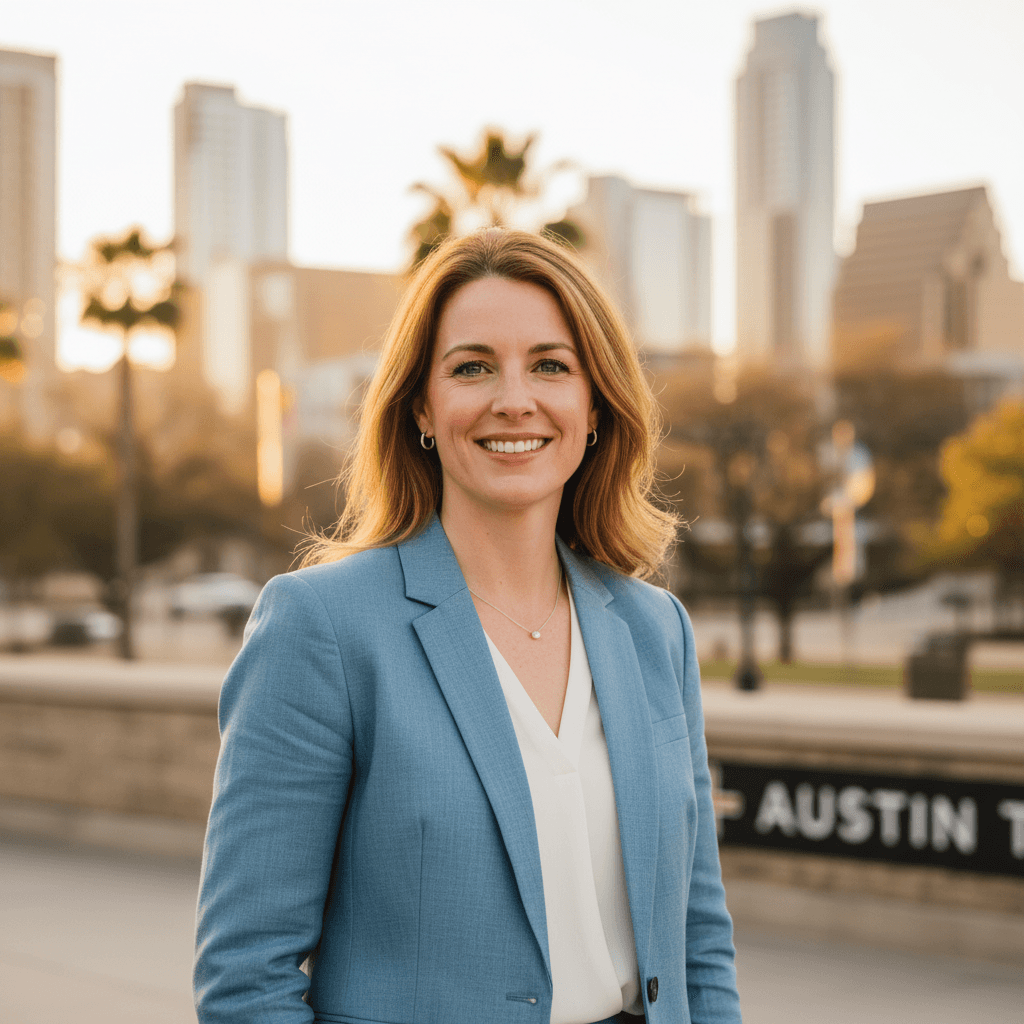
Femke
Utrecht → Austin, Texas
With an E-2 investor visa I started a sustainable fashion brand in Austin. Texas has no income tax, but American business culture required adjustment.