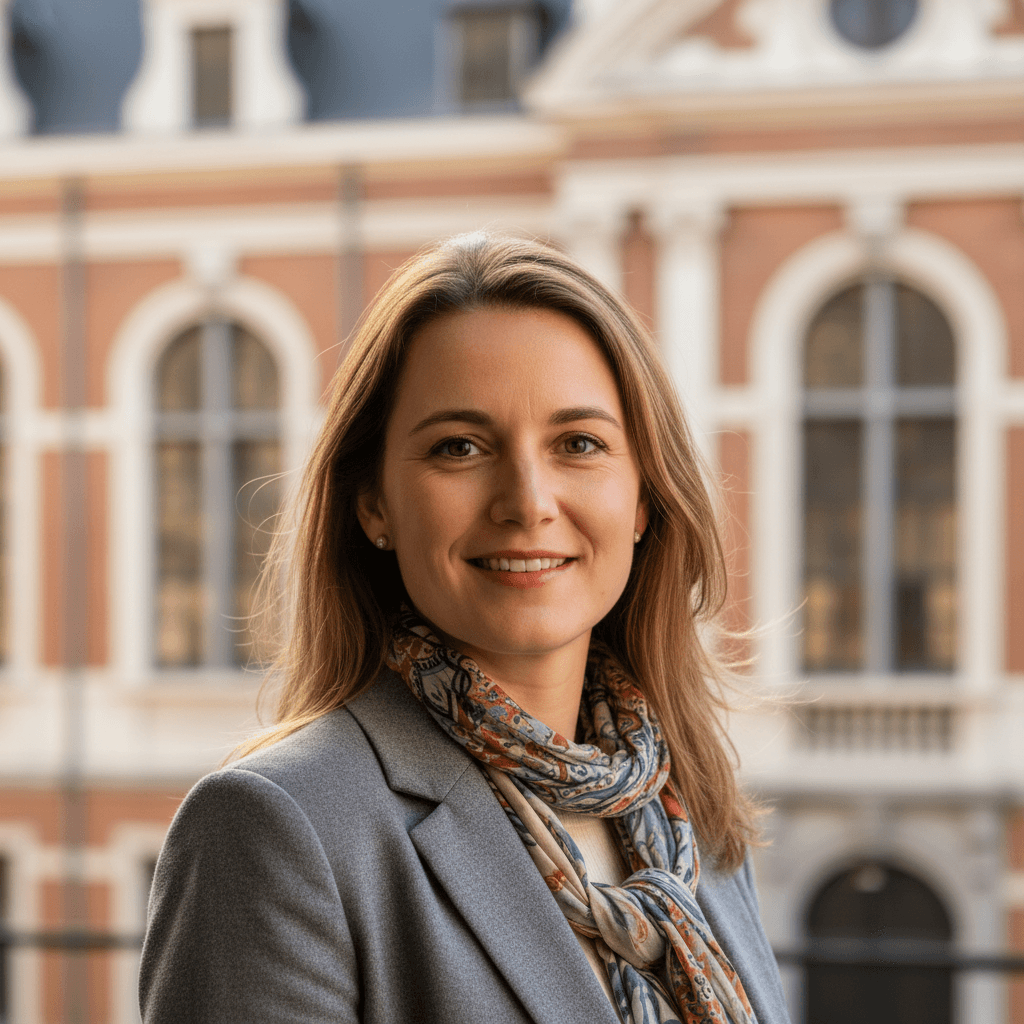
Priya(33)
Den Haag → Brussel
I worked four years at the International Criminal Court in The Hague, but my heart was in advocacy. When a position opened at a major human rights NGO in Brussels — near the EU institutions where lobbying takes place — I seized my chance. Brussels is the world's second-largest lobby city after Washington D.C., and for NGO work it's the place to be.
The move to Brussels was practically straightforward. Registration at the Brussels-City municipality went through the Population desk. As an EU citizen you're entitled to a residence card — after the neighborhood check I received my eID and rijksregisternummer. I chose a mutualiteit (Partenamut) and opened an account at ING Belgium. Everything was arranged within a month.
Living in Brussels is affordable compared to The Hague. I rent an apartment in Sint-Gillis (Saint-Gilles) — a trendy neighborhood full of creative types and international residents — for €900 per month. In The Hague I paid €1,350 for something comparable in the Zeeheldenkwartier. Sint-Gillis has a wonderful atmosphere: the Parvis de Saint-Gilles is filled with terraces every evening.
The salary at a Belgian NGO is comparable to the Netherlands, but secondary employment conditions are better: meal vouchers, 13th month, more vacation days and hospitalization insurance. The Belgian employment contract is more comprehensive than the Dutch one — you're entitled to more protection against dismissal, which is important for an NGO worker with temporary projects.
Brussels as a city isn't for everyone. It's messy, infrastructure is sometimes chaotic, and traffic is notorious. But the energy is unmatched. On a weekday evening you can attend an EU policy debate, a Congolese music night in Matongé or a vernissage in the Marolles. The diversity is real — not the kind you see in a brochure, but a lived reality.
My advice: if you work in the international sector, Brussels is the logical next step after The Hague. Networking opportunities are endless, costs lower and career opportunities more international. Do make sure you learn basic French — in the NGO world bilingualism is a huge asset, and outside the international bubble French is the dominant language in Brussels.
Highlights
- Rent €900 in Sint-Gillis vs. €1,350 in The Hague for comparable
- Meal vouchers, 13th month and hospitalization insurance standard at NGOs
- Brussels: world's second lobby city after Washington D.C.
- Basic French essential outside the international bubble
Other stories
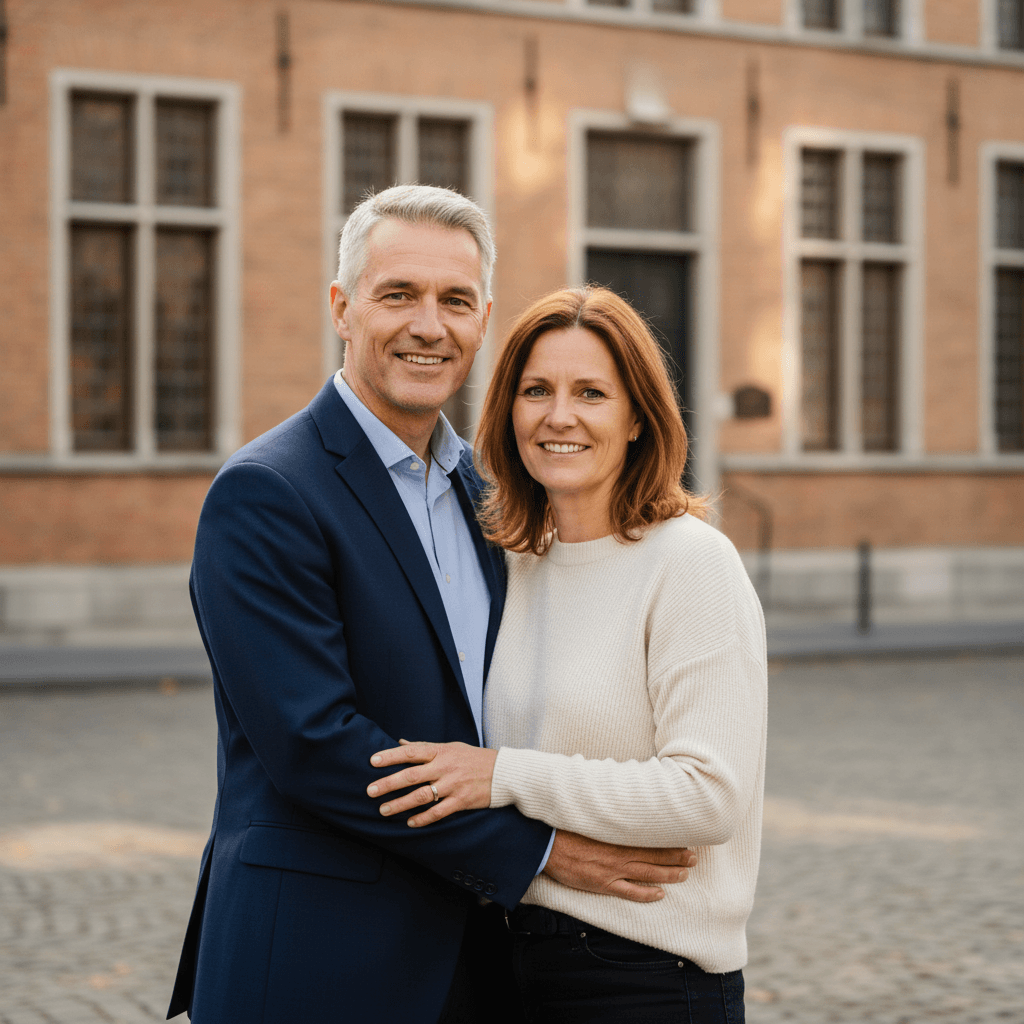
Peter & Anouk
Maastricht → Hasselt
We lived in Maastricht and already worked in Belgium. Moving to Hasselt saves us thousands per year — but the Belgian tax return is a story in itself.
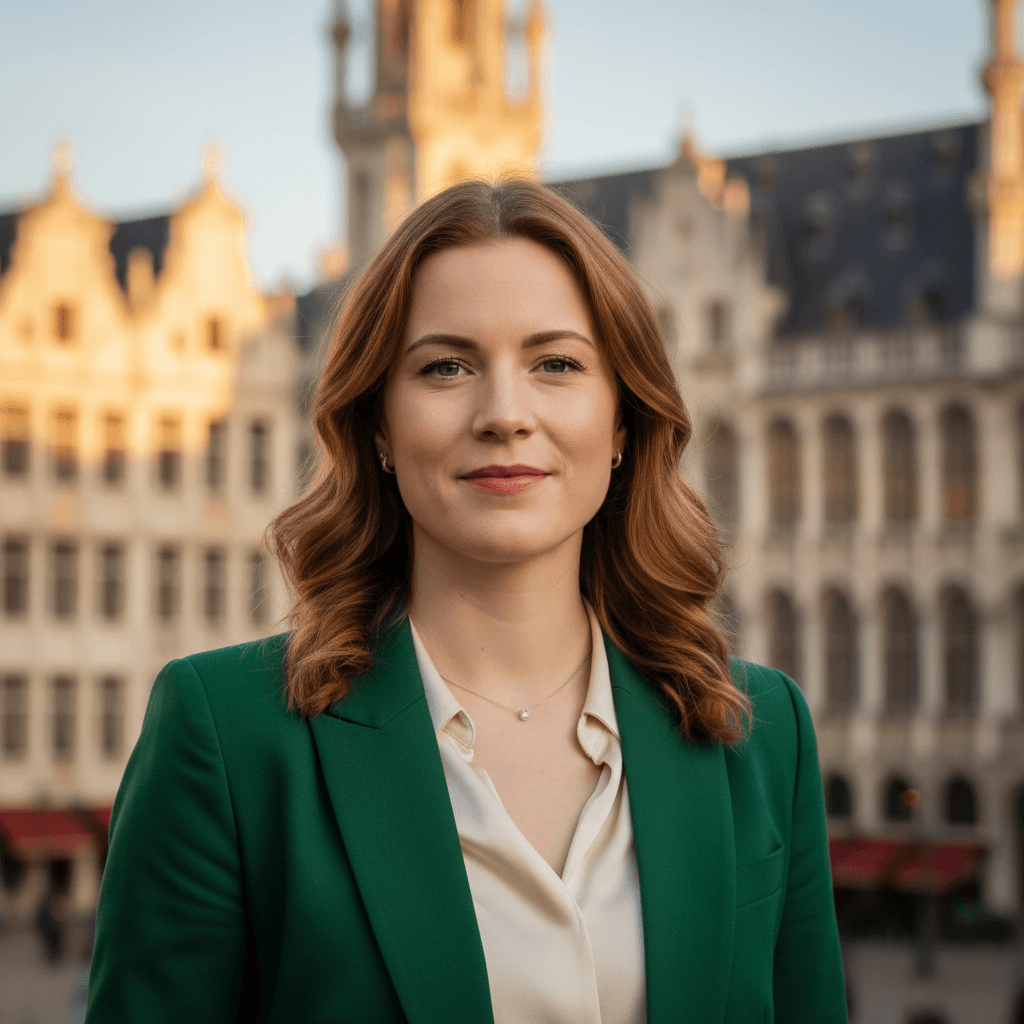
Fleur
Rotterdam → Antwerpen
As a marketer I found in Antwerp a vibrant city with lower rents and more character than Rotterdam. The Belgian bureaucracy took some getting used to.
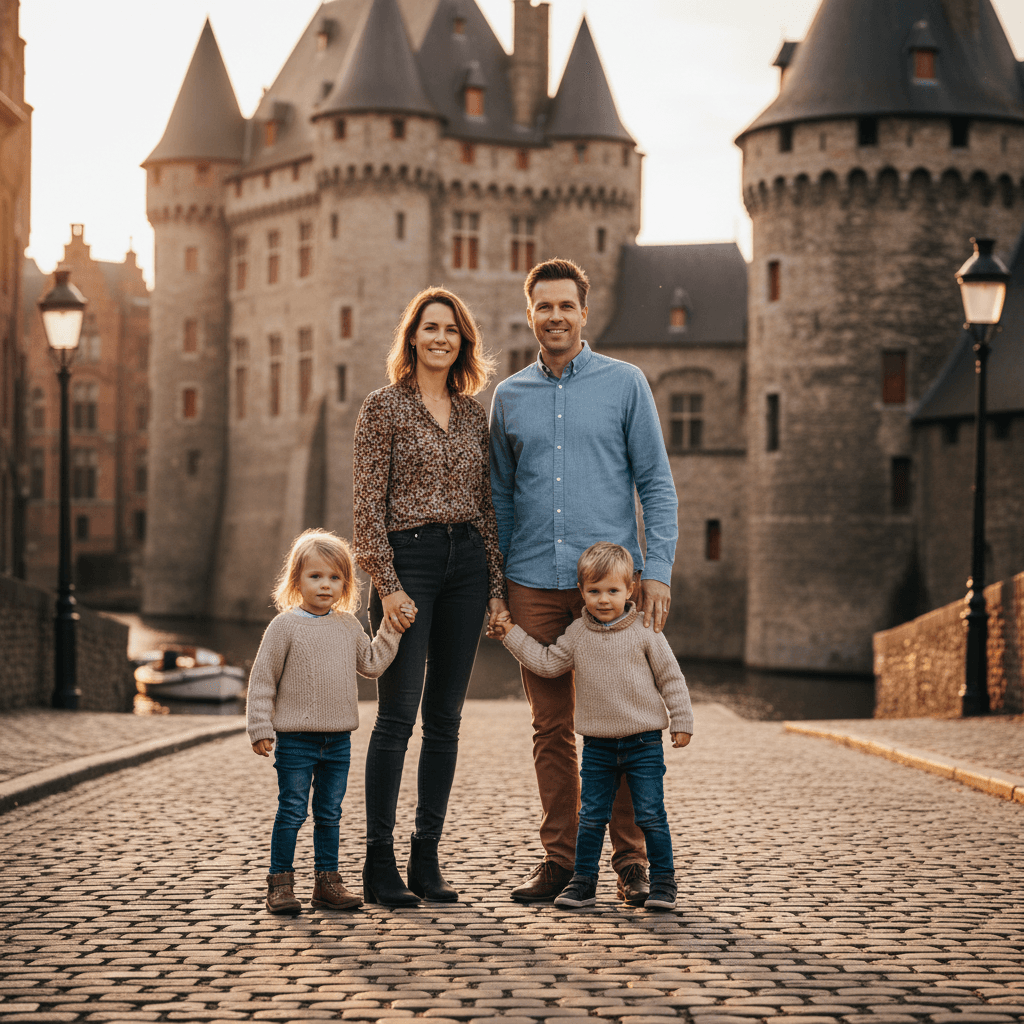
Bas & Linda
Eindhoven → Gent
With two children aged 4 and 7 we moved to Gent. Flemish education is excellent, the Groeipakket generous, and the city perfect for families.