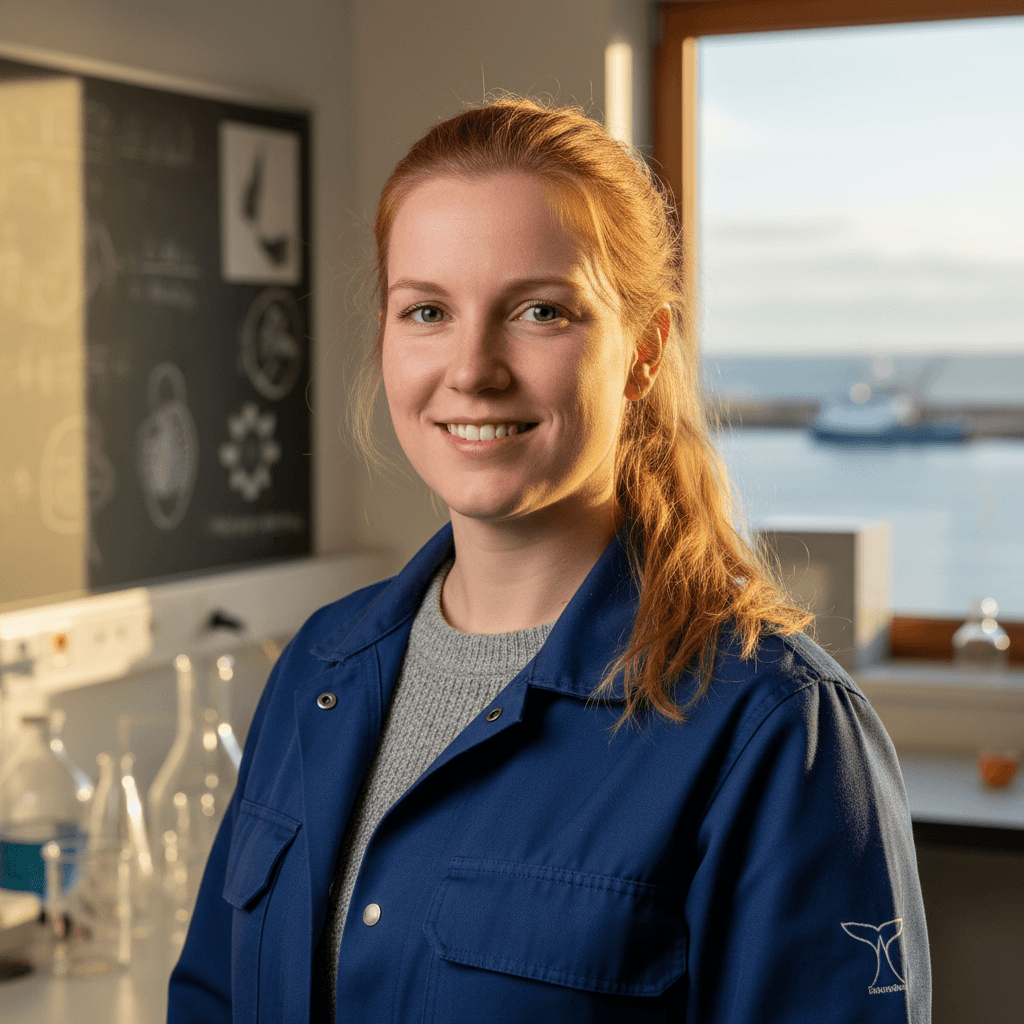
Nienke(27)
Groningen → Kiel
After my master's in marine biology at the University of Groningen, searching for a PhD position in the Netherlands was frustrating. Funding was uncertain, positions scarce. When I saw a vacancy at GEOMAR Helmholtz Centre for Ocean Research in Kiel — one of the world's top institutes for marine research — I applied immediately. After a Skype interview and a presentation in Kiel I got the position, with a TV-L E13 contract for three years.
The TV-L (Tarifvertrag für den öffentlichen Dienst der Länder) is the collective agreement for public sector employees. As a PhD researcher at E13 level (65%) I earn €2,300 gross per month. That sounds modest, but life in Kiel is cheap: my one-bedroom apartment in Gaarden costs €480 warm. Additionally I accrue pension through VBL (Versorgungsanstalt des Bundes und der Länder) — something many Dutch PhD students don't have.
The Anmeldung in Kiel was uncomplicated. The Bürgeramt had hardly any wait time — a relief after the horror stories from Berlin. The Steuer-ID came within two weeks. As an employee I was automatically enrolled in the Krankenkasse — I chose TK. The premium is shared with GEOMAR as employer. The entire registration was completed within a week.
Scientific work at GEOMAR is excellent. The facilities are impressive: own research vessels, laboratories and a collaboration with Christian-Albrechts-Universität. My Doktormutter (PhD supervisor) is an authority in her field and gives me the freedom to steer my own research. The academic culture is more formal than in Groningen — I address my supervisor as "Frau Professorin" — but the substantive discussions are sharp and stimulating.
Kiel is a surprise. The city is not large and not well-known, but the location on the Kieler Förde is beautiful. In summer the beaches are full, the Kieler Woche (the world's largest sailing festival) is a mega-event, and Holtenauer Straße has cozy cafés and restaurants. The university gives the city a young and international character. With the Semesterticket I travel for free throughout Schleswig-Holstein.
My plan is to stay in Germany after my PhD. The postdoc opportunities at GEOMAR and other Helmholtz centers are good, and research funding through the DFG is more stable than the Dutch NWO. The Wissenschaftszeitvertragsgesetz (WissZeitVG) — the law governing temporary contracts in academia — is controversial but at least provides a framework. My advice to young scientists: Germany offers opportunities you won't find in the Netherlands. The bureaucracy is heavier, but the research infrastructure is world-class.
Highlights
- TV-L E13 contract: €2,300 gross/month with VBL pension accrual
- GEOMAR: world-class institute with own research vessels
- Kiel: affordable living (€480/month) on the Baltic Sea
- Semesterticket: free travel throughout Schleswig-Holstein
Other stories
Marco
Venlo → Düsseldorf
As a nurse I had been commuting across the border for years. When I decided to actually move to Düsseldorf, the real paperwork began.

Niels
Amsterdam → Berlijn
Amsterdam rent prices drove me away. Berlin offered a startup job, an affordable apartment and a vibrant nightlife.
Dennis & Laura
Arnhem → Kleve
With three children we moved from Arnhem to Kleve. A bigger house, Kindergeld and a Grundschule around the corner — but the German school system took some getting used to.